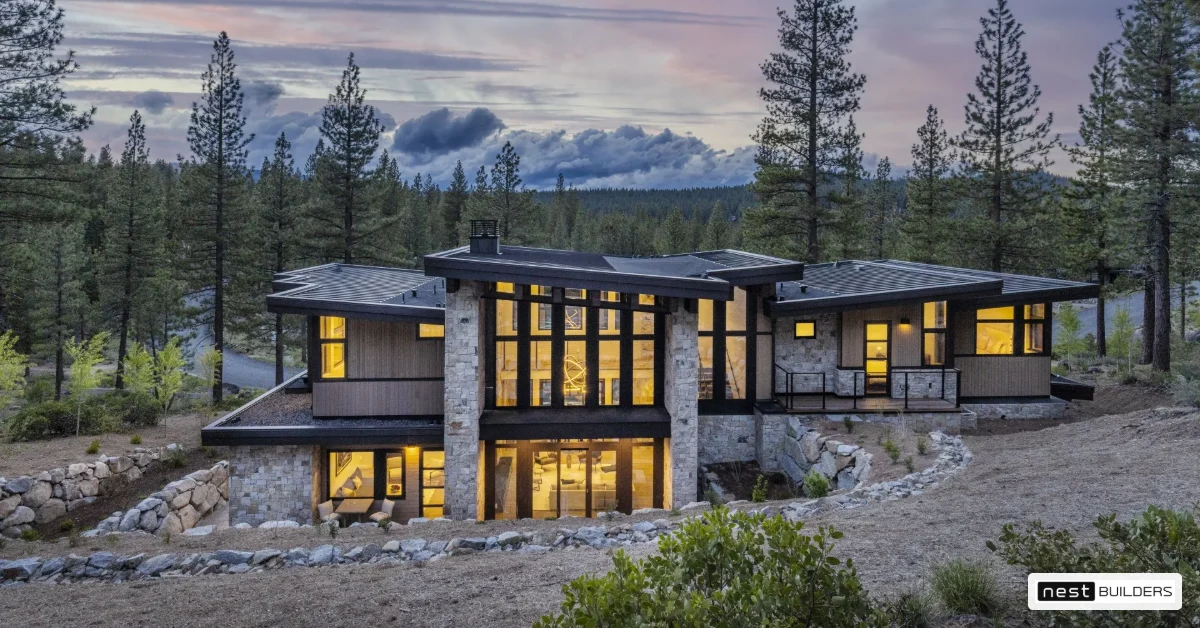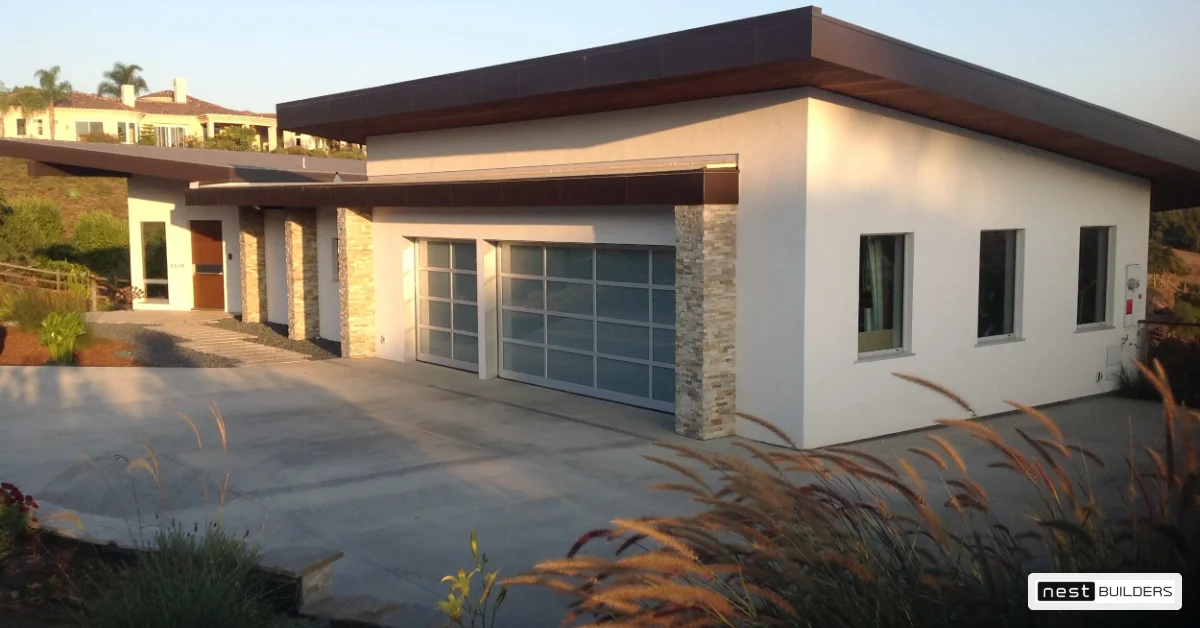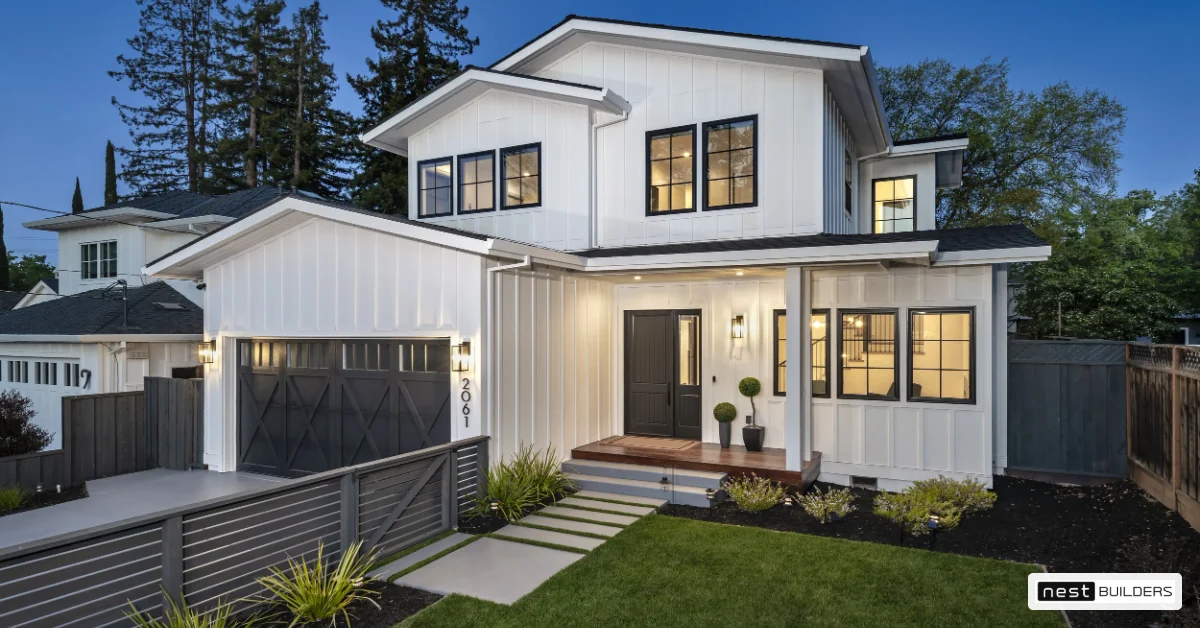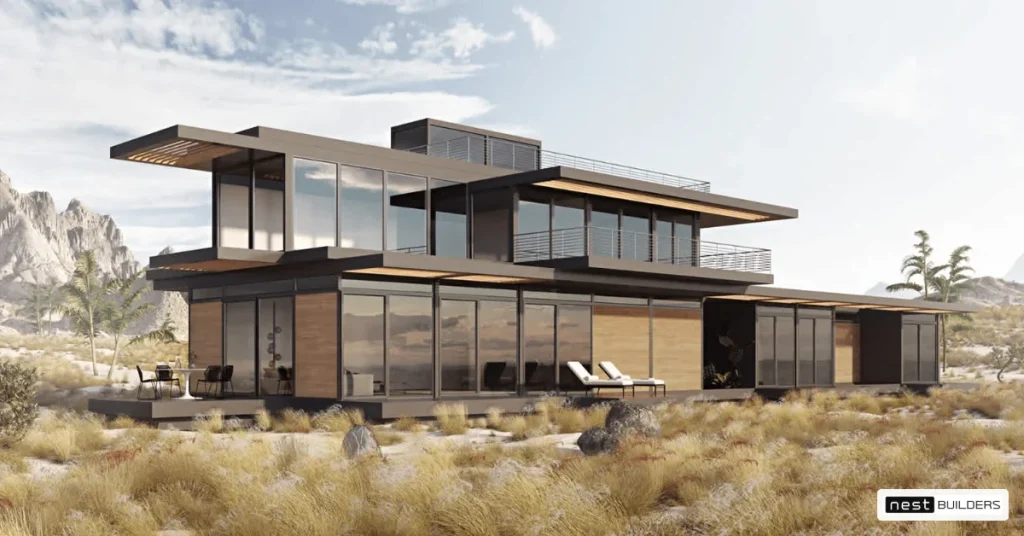
Here is how to buy a modular home in California: set your budget and financing, secure a buildable lot, pick a floor plan, sign with a licensed builder or dealer, get local permits, and then the factory builds the home while your site is prepared. Most buyers move in 10 to 12 months after starting. Browse our modular homes in California to see what is possible.
Key Takeaways
- Budget first: the home price is only part of the total. Land, site work and utilities come on top.
- Land shapes everything: lot size, slope and road access decide which models fit.
- Check two licenses: a CSLB contractor license and an HCD dealer or manufacturer license.
- Look for the HCD insignia: every factory-built home sold in California must carry one.
- Permits stay local: your city or county inspects the foundation, site and hookups.
Step 1: Set a Realistic Budget
Knowing how to buy a modular home starts with money, not models. The base price of the home covers the factory-built modules. Your full budget also needs room for land, foundation, grading, utility connections, permits, delivery, crane set and finish work on site.
Many California buyers are surprised that site costs can equal a large share of the home price, especially on hillside or rural lots. Our California modular cost guide breaks down each line item, so you can build a budget with no blind spots.
A simple rule: keep a 10 to 15 percent cushion for surprises found in the ground, such as rock, poor soil or long trenching for power and water.
Step 2: Line Up Financing Early
Most modular buyers do not pay cash. The common path is a construction loan that pays out in stages as work is finished, then converts into a regular mortgage once you move in.
Because a modular home is built to the same California building code as a site-built house, it usually qualifies for standard home loans. That is different from a manufactured home, which is built to a federal HUD code and is often financed more like personal property.
Talk to a lender before you choose a lot or a model. Pre-approval tells you your real ceiling and keeps you from falling for a plan you cannot fund. Our guide to modular home construction loans explains draws, rates and what lenders ask for.
Step 3: Find and Check Your Land
Once the money is clear, land comes next in learning how to buy a modular home. You need a lot before you can build. If you already own land, the job is to confirm it can take a modular home. If you are still shopping, check these points before you make an offer:
- Zoning: does the parcel allow a single-family home of the size you want?
- Access: can a truck carrying modules and a crane reach the build spot?
- Slope and soil: steep or unstable ground means more engineering and cost.
- Utilities: is there power, water and sewer at the street, or will you need a well and septic?
- Fire risk: lots in a high fire hazard zone must meet extra wildfire building rules.
Narrow mountain roads are the most common deal-breaker. A good builder will walk the lot or study it on maps before you commit. If you own land already, see how we build on your lot from start to finish.
Step 4: Choose a Floor Plan
With budget and land in hand, picking a plan gets much easier. Start with the lot. Its width, slope and setbacks limit the footprint, and that narrows the list fast.
Then think about how you live. Bedroom count, home office space, a main-floor primary suite and garage needs all matter. Most factory plans can be changed, so treat them as a starting point rather than a fixed menu. You can compare layouts in our modular home floor plans, from one bedroom up to four or more.
Keep changes simple where you can. Moving walls is easy at the design stage. Moving them after the factory starts is slow and expensive.
Step 5: Pick a Licensed Builder or Dealer
When people ask how to buy a modular home safely, this is the step that matters most. It protects your money more than any other. In California, a modular project usually involves two kinds of license.
| What to check | Who issues it | Why it matters |
|---|---|---|
| Contractor license | Contractors State License Board (CSLB) | Covers foundation, site work and finish construction |
| Dealer or manufacturer license | California Department of Housing and Community Development (HCD) | Covers the sale of the factory-built home itself |
| HCD insignia on each unit | HCD | Proves the home was built and inspected to California code |
You can look up any contractor on the CSLB license check page in a minute. Ask for the HCD license number too. Nest Builders holds both: CSLB# 1117837 and HCD# DL1611393.
Under state law, every factory-built home offered for sale in California must carry an HCD insignia of approval before it ships. If a seller cannot explain where the insignia comes from, walk away.
Step 6: Sign the Contract and Lock the Price
A clear contract spells out what is included and what is not. Read it line by line. The items buyers most often miss are:
- Foundation type and engineering
- Grading, retaining walls and driveway
- Utility trenching and connection fees
- Permit and plan check fees
- Crane, delivery and set
- Finish work after the set, such as decks, porches and landscaping
One-contract builders handle design, permits and construction together. That cuts down on the finger-pointing that can happen when a factory, a site contractor and a designer each own a different piece.
Step 7: Get Permits From Your City or County
The factory builds under state oversight, but your local building department still controls the site. It reviews the foundation, the site plan and utility connections, then inspects the installation. HCD notes that installation is inspected locally by the city or county.
Plan check times vary a lot across California. Small rural counties can move in a few weeks. Dense cities and hillside areas can take several months. Starting the permit right after you sign is the easiest way to protect your schedule.
Step 8: Factory Build and Site Prep Happen at the Same Time
This is where a modular home saves time. While the factory builds your modules indoors, a crew pours the foundation and runs utilities on your lot. Two jobs that happen one after another on a stick-built home happen side by side here.
Factory work usually takes 6 to 12 weeks. Weather does not stop indoor work, and each module is inspected before it leaves. For a phase-by-phase view, see our modular home build timeline.
Step 9: Delivery, Set and Finish
On delivery day, trucks bring the modules to your lot and a crane sets them on the foundation, often in a single day. Crews then join the modules, connect plumbing and electrical between them, and finish the seams inside and out.
Finish work typically runs a few weeks. After the final inspection, the local building department signs off and you get your certificate of occupancy. That is the day you can move in.
How to Buy a Modular Home: Typical Timeline in California
| Phase | Typical time |
|---|---|
| Budget, financing and lot check | 2 to 8 weeks |
| Floor plan and contract | 2 to 6 weeks |
| City or county permit | 4 to 16 weeks |
| Factory build (overlaps site prep) | 6 to 12 weeks |
| Delivery and crane set | 1 to 2 days |
| Finish work and final inspection | 3 to 6 weeks |
Most buyers move in about 10 to 12 months after starting. Permit review is the phase that changes the most from one county to the next.
Common Mistakes First-Time Modular Buyers Make
First-time buyers still learning how to buy a modular home tend to repeat the same three mistakes. Buying land before checking access tops the list. A beautiful lot at the end of a narrow, winding road may not fit full-size modules, which forces smaller plans or costly road work.
Comparing base prices alone is the second mistake. One quote may look cheaper only because it leaves out the foundation or utility work. Always compare total project cost.
The third is skipping the foundation conversation. Your soil, slope and local seismic rules decide the foundation, and that choice affects cost. Our guide to modular home foundations covers the options.
Frequently Asked Questions
Can I buy a modular home without land?
You can choose a plan and get pricing first, but you need a lot before permits and construction can start. Many buyers shop for land and a plan at the same time.
Is a modular home the same as a manufactured home?
No. A modular home in California is built to the state building code and carries an HCD insignia. A manufactured home is built to the federal HUD code and carries a HUD label.
Do modular homes qualify for normal mortgages?
Usually, yes. Because they are built to the same code as site-built homes and placed on permanent foundations, modular homes are generally financed with standard construction loans and mortgages.
How long does it take to buy and build a modular home?
Most California projects take about 10 to 12 months from first meeting to move-in. Construction itself often wraps in 3 to 6 months once permits are issued.
Can I change a modular floor plan?
Yes. Most plans allow changes to layout, finishes and features. Changes are easiest during design, before the factory begins building.
Start Your Modular Home Purchase the Right Way
Buying a modular home is simpler with one team handling the plan, permits and build. Call Nest Builders at (888) 637-8238 or contact our team and we will review your budget and lot, suggest plans that fit, and map out your timeline. Free consultation, serving all of California.
Nest Builders
100 Shoreline Hwy, Suite 100, Bldg B
Mill Valley, CA 94941
Phone: (888) 637-8238
Email: info@nestbuilders.co
Web: https://nestbuilders.co/
License: CSLB# 1117837, HCD# DL1611393
Serving the Bay Area, Sacramento, Los Angeles and San Diego
Hours: Mon to Sun, 9:00 AM to 5:00 PM
Nest Builders is a licensed California home builder (CSLB# 1117837, HCD# DL1611393) that designs, permits and builds custom and modular homes across California. Learn more on our about us page.