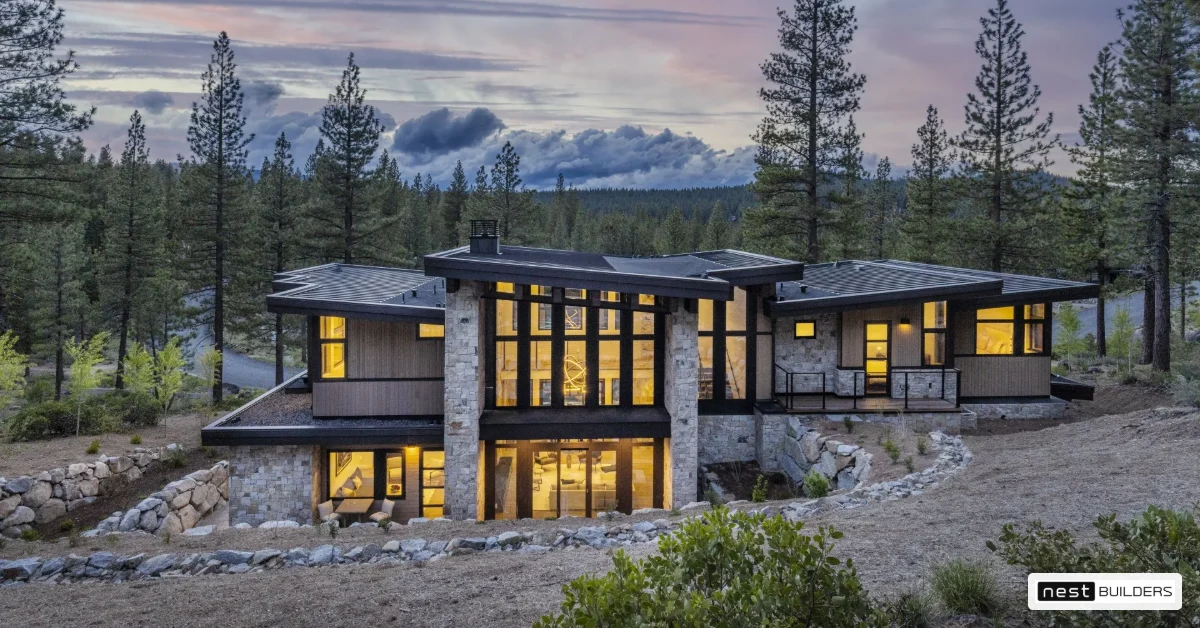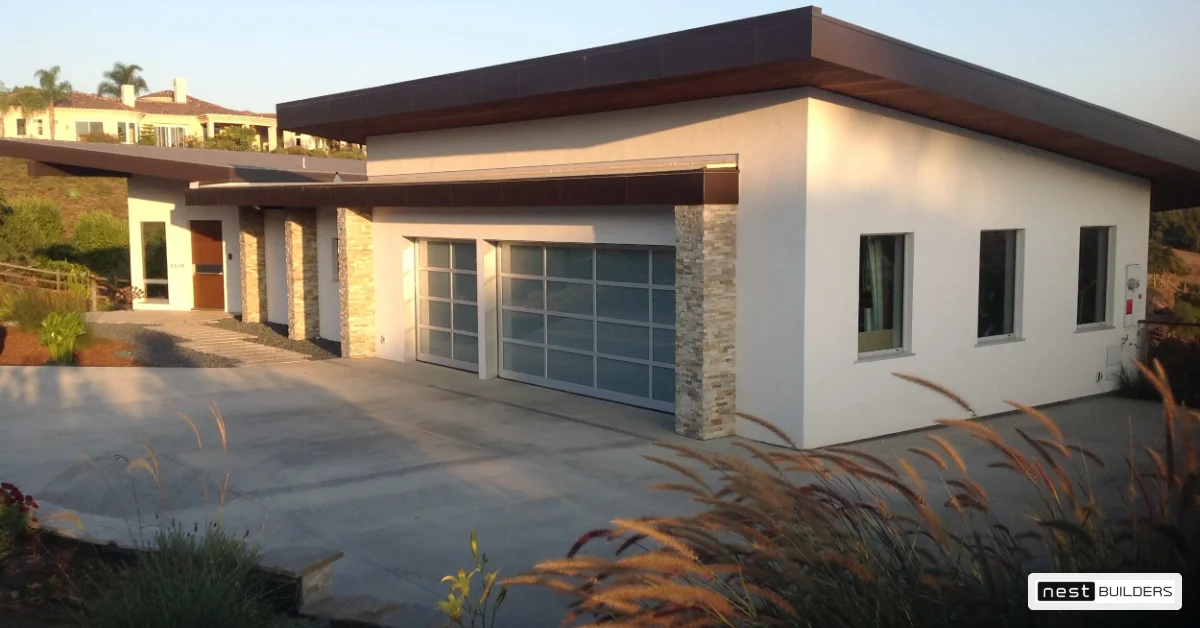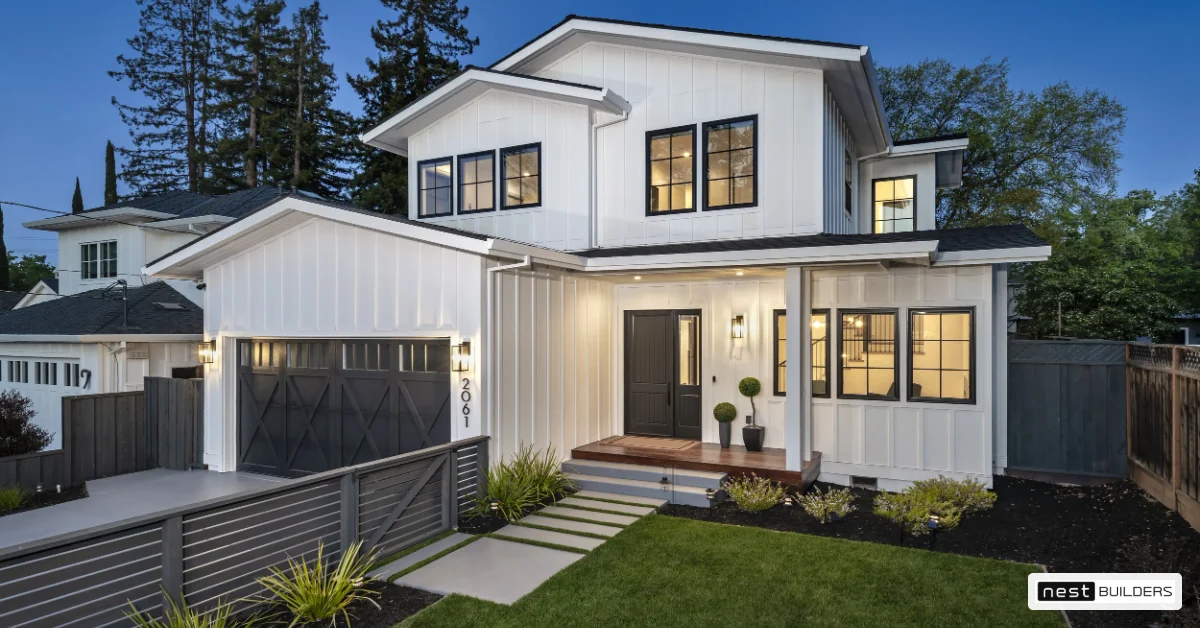
Rebuilding after a wildfire in California with a modular home is usually faster because the house is built in a factory while debris removal, permits and foundation work happen on your lot. That overlap can shave months off a site-built rebuild. State and local orders since 2025 have also sped up permits for fire survivors. Our modular homes in California are built to current state fire codes.
Key Takeaways
- Rebuilds are slow by default: a year after the 2018 Camp Fire, only 385 rebuilding permits had been issued.
- Rules have changed: recent executive orders cut some review steps for fire-affected lots.
- Modular saves time: factory building and site work happen at the same time.
- New homes must meet today’s code: expect fire-resistant materials and energy rules.
- Insurance timing matters: know your coverage limits and deadlines before you choose a plan.
Why Rebuilding After a Wildfire Takes So Long
Losing a home to fire is overwhelming, and rebuilding after a fire often feels slower than it should. Several steps have to happen before anyone can frame a wall: debris removal, soil testing, insurance claims, design, engineering and permits.
History shows how slow this can be. Grist reported that one year after the 2018 Camp Fire, just 385 rebuilding permits had been issued, despite a similar number of homes lost as in the 2025 Los Angeles fires. Labor and material shortages after a large disaster add more delay, since many families try to build at the same time.
What Has Changed for Fire Survivors
After the January 2025 fires in Los Angeles County, the state and the City of Los Angeles issued orders meant to speed up rebuilding. They included:
- Suspended reviews: Executive Order N-4-25 suspended California Environmental Quality Act and Coastal Act review for qualifying rebuilds.
- Temporary housing on site: Los Angeles allowed RVs, tiny homes and modular units on burned lots for up to three years, or while a permit is active.
- Pre-approved plans: the city launched a pre-approved standard plan pilot with a library of code-ready home designs.
In February 2026, the Governor’s office reported that local agencies had approved 3,000 rebuilding permits at roughly three times the pace seen before those fires, with some survivors using modular and prefabricated homes. In the same release, Tomiquia Moss, Secretary of the state Business, Consumer Services and Housing Agency, said, “Factory-built housing can help wildfire survivors get back into safe, stable homes faster.”
Rules differ by city and county, and many apply only to specific fire areas. Always confirm what applies to your lot with your local building department.
Why Modular Is Faster for Wildfire Rebuilds
The biggest time saver is overlap. On a site-built rebuild, every trade waits for the one before it. With a modular home, two big jobs run at once:
- On your lot: debris clearance sign-off, grading, foundation and utility work.
- In the factory: your home is framed, wired, plumbed, insulated and finished indoors.
Factory work usually takes 6 to 12 weeks and is not stopped by rain or wind. When the site is ready, the modules arrive and a crane sets them, often in one day. Finish work and final inspection follow. For a full breakdown, see our modular home build timeline.
Modular also eases the local labor crunch. After a big fire, contractors are booked for months. A factory crew works off site, so fewer local trades are needed on your lot.
Site-Built vs Modular Rebuild Timeline
| Phase | Site-built rebuild | Modular rebuild |
|---|---|---|
| Debris removal and soil testing | Same for both | Same for both |
| Design and permits | 2 to 6 months | Often shorter with standard plans |
| Construction after permit | 10 to 16 months | 3 to 6 months |
| Weather delays | Common | Limited to site work |
| Local labor needed | High | Lower |
Every lot is different, and permit times vary by jurisdiction. The point is not an exact date. It is that modular takes the longest phase, construction, and cuts it down.
Building Back Stronger: Fire Codes for Your New Home
A rebuilt home must meet current California code, not the code your old house was built under. In fire hazard areas, that means ignition-resistant construction:
- Class A roof
- Ember-resistant attic and crawl space vents
- Noncombustible or ignition-resistant siding
- Dual-pane windows with tempered glass
- A five-foot ember-resistant zone around the home, known as Zone 0
New homes also follow the California Energy Code, which now sets a heat pump baseline for space and water heating. Modular homes meet these same standards. Because they are built under state oversight in a factory, details like vent screens and window seals are installed in controlled conditions. Owners in Sonoma County can learn more about Santa Rosa modular homes, where many families have rebuilt after past fires.
Choosing a Plan That Fits Your Lot
Rebuilding after a wildfire is a chance to rethink your home, but it also brings choices. A like-for-like rebuild, close to the size and footprint of the old house, usually moves through permits fastest. A larger or very different home may need full plan review.
Start with what worked and what did not in your old house. Then look at the lot. The old foundation is almost always removed, but setbacks, slope and access still decide where the new home can sit. Modular floor plans can be adjusted to match your old footprint closely, which helps if you want to stay inside existing permits or neighborhood rules.
Think about the future, too. A main-floor bedroom, wider halls or a home office may matter more now than they did when the original house was built.
What to Expect in the First 90 Days
The first three months after a fire are about paperwork and site readiness, not construction. Most families spend this time on:
- Completing debris removal and getting the lot cleared
- Meeting with their insurance adjuster and getting a written estimate
- Finding temporary housing and confirming living expense coverage
- Ordering a survey and soils report if the old ones were lost
- Meeting builders and getting early pricing
Getting these done quickly sets up the rest of the rebuild. Families who start design while debris removal is still underway often reach permits months sooner.
Insurance and Money: What to Sort Out First
Rebuilding after a fire is as much a financial project as a construction one. Before you pick a plan, gather:
- Your policy: dwelling limit, extended replacement cost, code upgrade coverage and debris removal coverage.
- Deadlines: many policies set time limits for rebuilding to collect full replacement cost.
- Additional living expenses: how long your policy pays for temporary housing.
- Gap funding: if your payout falls short, a construction loan may cover the difference.
Code upgrade coverage, often called ordinance or law coverage, is important. New fire and energy rules can raise costs compared with your old home. Our guide to modular home construction loans explains how financing works if you need more than the insurance check.
Step-by-Step Plan for Rebuilding After a Wildfire
- Confirm debris removal is complete and your lot is cleared for building.
- Review your insurance limits and deadlines with your adjuster.
- Get a lot assessment to check access, slope, soil and utility status.
- Choose a plan that fits your budget, lot and local zoning.
- Submit permits and ask about any fast-track options for fire survivors.
- Start factory build while the foundation and utilities go in.
- Set, finish and inspect the home, then move back in.
If you are rebuilding in Los Angeles County, see our page on Los Angeles modular homes for local details.
Frequently Asked Questions
Is modular faster than stick-built for a wildfire rebuild?
Usually, yes. Factory construction runs at the same time as site work, so the build phase often takes 3 to 6 months after permits instead of a year or more.
Do I have to meet the new fire code when rebuilding after a fire?
Yes. New homes must meet current California code, which in fire hazard zones includes ignition-resistant construction and defensible space rules.
Can I live on my lot while rebuilding?
In some areas, yes. Los Angeles, for example, allowed temporary RVs and modular units on fire-affected lots for a set period. Check local rules.
Will insurance pay for a modular home?
Insurance pays for your covered loss, not a specific building method. In most cases you can put that payout toward a modular rebuild, as long as the new home meets code. Confirm the details with your adjuster.
Can I rebuild a different size or style of home?
Often, yes, but larger or different homes may need full plan review. Like-for-like rebuilds usually move faster.
Start Your Rebuild With Nest Builders
We know how hard this is. Nest Builders designs, permits and builds modular and custom homes across California, including fire-resistant homes for burned lots. Call (888) 637-8238 or contact our team for a free, no-pressure review of your lot, insurance numbers and rebuild timeline.
Nest Builders
100 Shoreline Hwy, Suite 100, Bldg B
Mill Valley, CA 94941
Phone: (888) 637-8238
Email: info@nestbuilders.co
Web: https://nestbuilders.co/
License: CSLB# 1117837, HCD# DL1611393
Serving the Bay Area, Sacramento, Los Angeles and San Diego
Hours: Mon to Sun, 9:00 AM to 5:00 PM
Nest Builders is a licensed California home builder (CSLB# 1117837, HCD# DL1611393) that designs, permits and builds custom and modular homes across California. Learn more on our about us page.