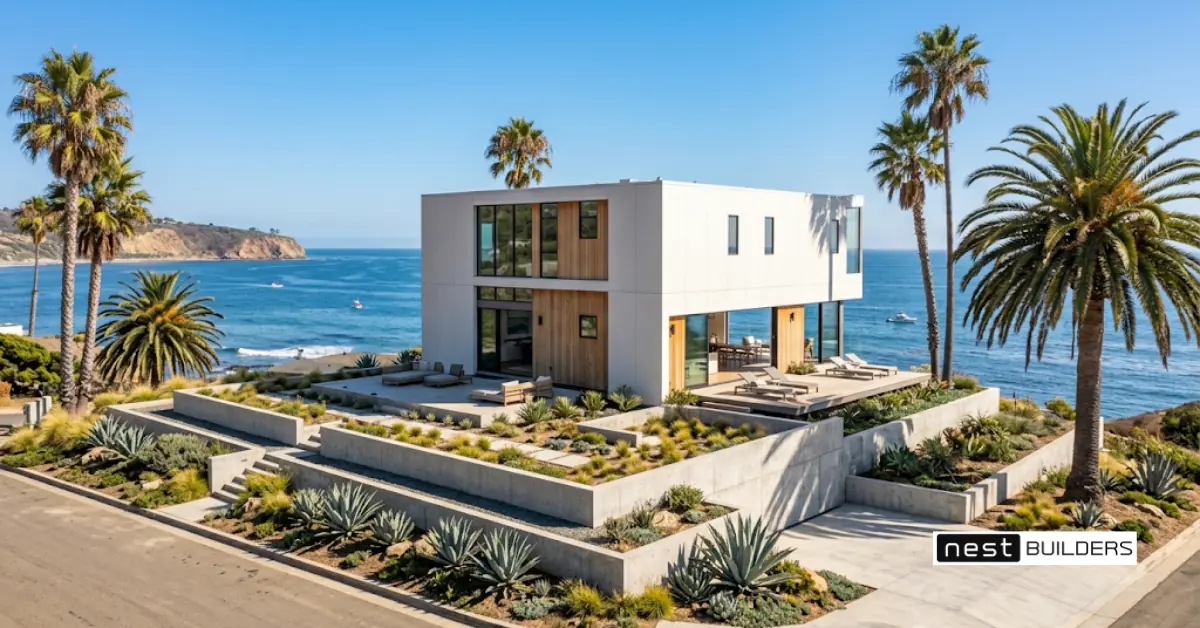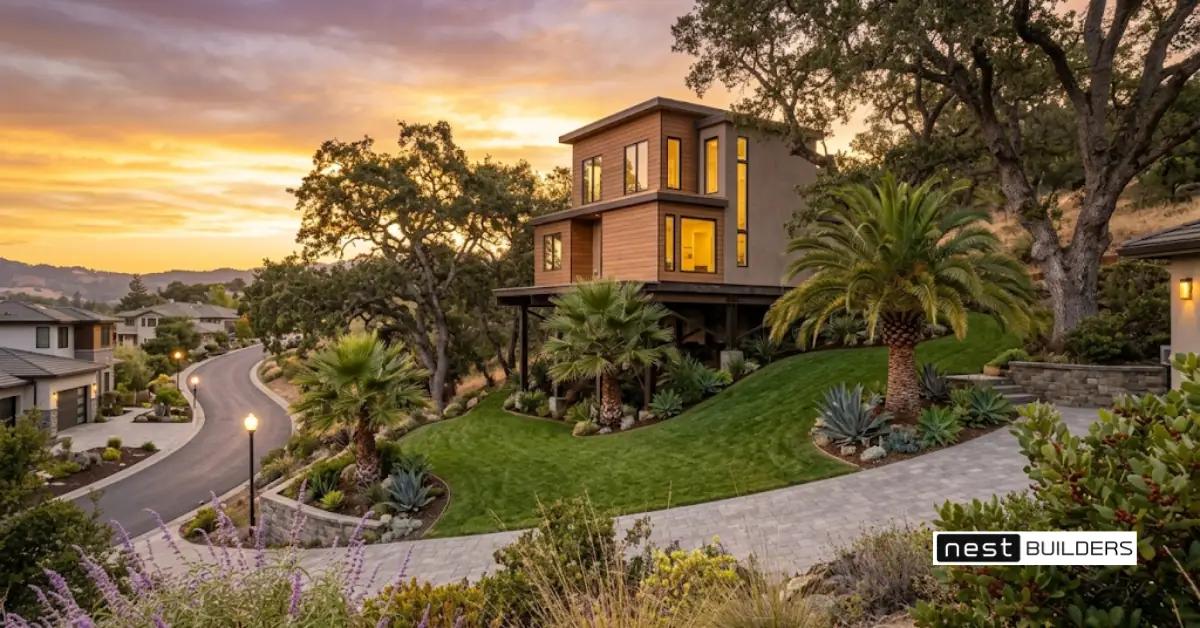
Do modular homes appreciate? Yes. A modular home in California holds its value and appreciates at about the same rate as a traditional site-built home, as long as it sits on a permanent foundation on land you own. Appraisers value it using the same neighborhood comparables as any house, so location and upkeep drive its worth, not the fact it was built in a factory. If you are comparing it to a stick-built home, read our modular vs stick-built guide.
Key Takeaways
- Modular appreciates: it tracks stick-built homes, not the depreciation path of mobile homes.
- The foundation is the key: a permanent foundation on owned land is what makes it real property.
- Appraisers use normal comps: the same square footage, condition and neighborhood logic as any house.
- Location rules in California: land value is often the biggest driver of long-term worth.
- Modular is not manufactured: the distinction matters for appraisal and resale.
The Myth vs the Data
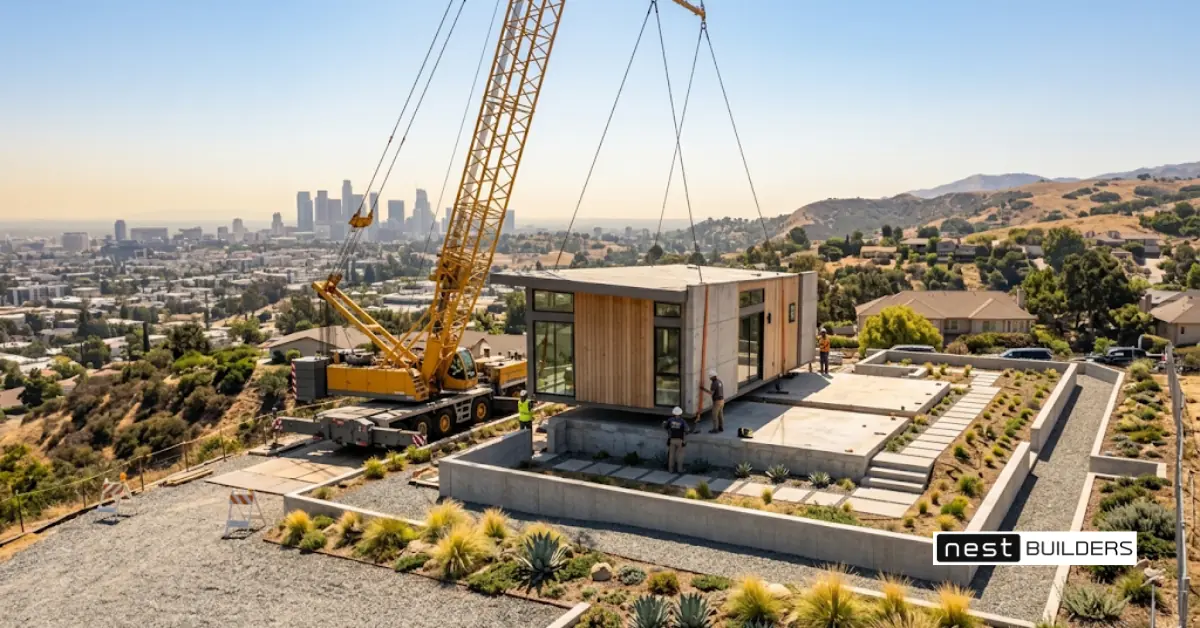
The old belief is that anything factory-built loses value like a car. That myth comes from mobile homes, which are built on a steel chassis and can depreciate. A modular home is a different animal. It is built to the same state building code as a site-built house, trucked in sections, and bolted to a permanent foundation.
Lenders back this up. Fannie Mae treats a modular home on a permanent foundation like any site-built house and lets appraisers use regular neighborhood sales as comparables. Over a long hold, it follows the same value curve as a conventional house. Want to talk through resale on a specific model? Call us at (888) 637-8238.
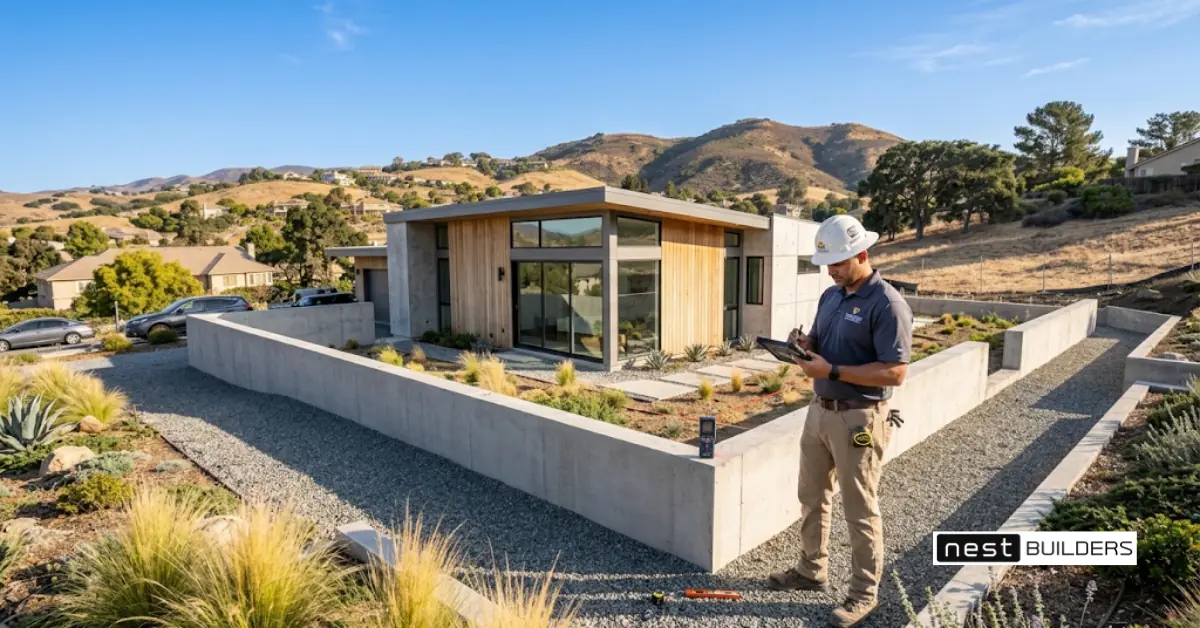
Modular vs Manufactured: The Difference That Decides Value
This single distinction explains most of the confusion about modular value.
- Modular homes are built to local and state building code, the same code a site-built home follows. Once they get a certificate of occupancy, they are legally real estate.
- Manufactured homes are built to the federal HUD code on a permanent steel chassis. They can hold value well on owned land, but they are a different class of property and are sometimes appraised and financed differently.
Because a modular home is real property, lenders and appraisers treat it like any house. It qualifies for conventional, FHA and VA financing and standard homeowners insurance. If you want the full breakdown, see our modular vs manufactured guide.
How Appraisers Value a Modular Home
An appraiser does not knock points off for the factory. Once your modular home has a certificate of occupancy, it is valued the same way as a traditional house:
- Comparable sales. Recent sales of similar homes in your neighborhood set the baseline.
- Square footage and layout. Size and usable space count the same as any home.
- Condition and finishes. Quality of materials and upkeep move the number.
- Location. The lot and the neighborhood often matter most, especially in California.
National housing agencies track home values the same way regardless of construction method, which is why resources like the federal house price index measure appreciation by market and region, not by whether a home was site-built or modular.
What Really Drives Value in California
In California, the land under the home usually matters more than almost anywhere else. With statewide home prices among the highest in the country, your lot is often the biggest share of total value, and that land appreciates whether the house on it was built in a factory or on site.
These are the factors that move a California modular home’s value:
- Location and lot: the neighborhood, schools, access and land value.
- Owned vs leased land: a home on land you own appreciates far better than one on a leased lot.
- Build quality and finishes: good materials and design hold value.
- Maintenance: a well-kept home sells for more, same as any house.
- Market timing: local supply and demand swing the final price.
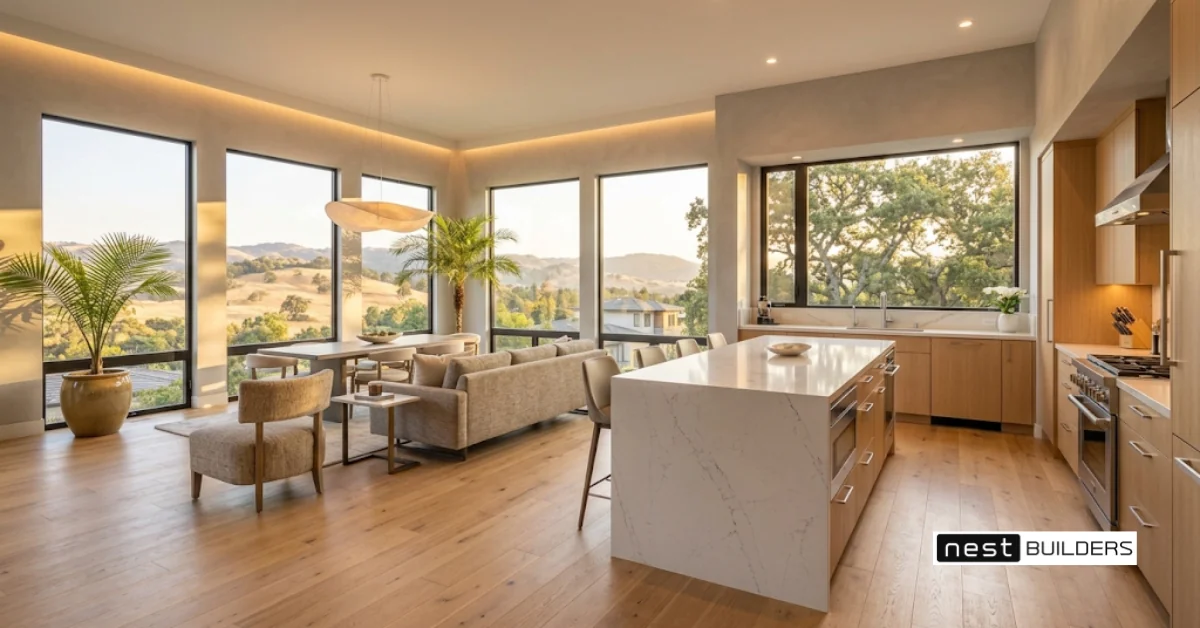
Protecting Resale Value
A few choices at build time make resale easier down the road:
- Build on owned land with a permanent foundation, not a leased lot.
- Keep the paperwork. Save the certificate of occupancy, permits and plans for buyers and appraisers.
- Choose finishes that match the neighborhood so your comps line up.
- Maintain it like any home. Roof, systems and exterior upkeep protect value.
Do these and a modular home behaves like any other house on the market. The factory origin stops mattering the day it is finished and occupied.
How Insurance and Property Tax Treat a Modular Home
A modular home on a permanent foundation is real property, so it is insured and taxed like a site-built house.
Most insurers write a standard homeowners policy for a code-built modular home. Rates depend on the same things as any house: location, construction type, roof, fire risk and claims history. In high fire risk areas of California, coverage can be harder to find for any home, modular or site-built.
For property tax, California assesses new construction when it is finished. Your tax bill is based on the value of the land plus the value of the new home, the same way it works for a site-built house. Check with your county assessor for the details that apply to your lot.
Choosing a Lot With Resale in Mind
Because land drives so much of a home’s value in California, the lot you choose today shapes what the home is worth later.
Look at the homes around the lot. A modular home that fits the size and style of the neighborhood will have similar homes to compare against when you sell, which helps the appraisal.
Check access, slope and utilities before you buy. A lot that is hard to build on costs more up front, and buyers will see the same issues later. Ask about zoning too, since rules on lot splits and duplexes can add value to some parcels.
Do Modular Homes Appreciate? FAQs
Do modular homes hold their value in California?
Yes. On a permanent foundation and owned land, a modular home appreciates at roughly the same rate as a site-built home, because appraisers value it with the same neighborhood comparables.
Does a modular home increase in value over time?
It can and usually does, driven by location, market trends and maintenance. Because it is appraised against nearby site-built sales, it tends to follow the local market.
Why do people think modular homes lose value?
They confuse modular with mobile homes. Mobile homes on a chassis can depreciate, but modular homes are code-built real property and behave like traditional houses.
Does land ownership affect modular home value?
A great deal. A modular home on owned land appreciates with the land, especially in high-value California markets. A home on a leased lot does not benefit the same way.
Build a Home That Holds Its Value
Value comes from a permanent foundation, a good lot and solid build quality, and those are exactly the things a licensed builder controls. Call Nest Builders at (888) 637-8238 and we will help you choose a model and site that protect your investment for the long run. You talk to our build team, not a call center. Free consultation, serving the Bay Area, Sacramento, Los Angeles and San Diego.
Nest Builders
100 Shoreline Hwy, Suite 100, Bldg B
Mill Valley, CA 94941
Phone: (888) 637-8238
Email: info@nestbuilders.co
Web: https://nestbuilders.co/
License: CSLB# 1117837, HCD# DL1611393
Serving the Bay Area, Sacramento, Los Angeles and San Diego
Hours: Mon to Sun, 9:00 AM to 5:00 PM
Nest Builders is a licensed California home builder (CSLB# 1117837, HCD# DL1611393) that designs, permits and builds custom and modular homes across California. This article is general information, not financial advice. Learn more on our about us page.