Title 24 California code is the state building standards code, and Part 6 is the energy code every new home must meet. The current 2025 version took effect January 1, 2026. It sets heat pumps as the baseline for space and water heating, keeps solar panels required on new single-family homes, and asks for tight insulation, efficient windows and field testing. As California custom home builders, we design to it from day one.
Key Takeaways
- Title 24 has many parts: Part 6 is the energy code most people mean.
- New version in force: the 2025 Energy Code applies to permits filed on or after January 1, 2026.
- Heat pumps are the baseline: for both space heating and water heating in new single-family homes.
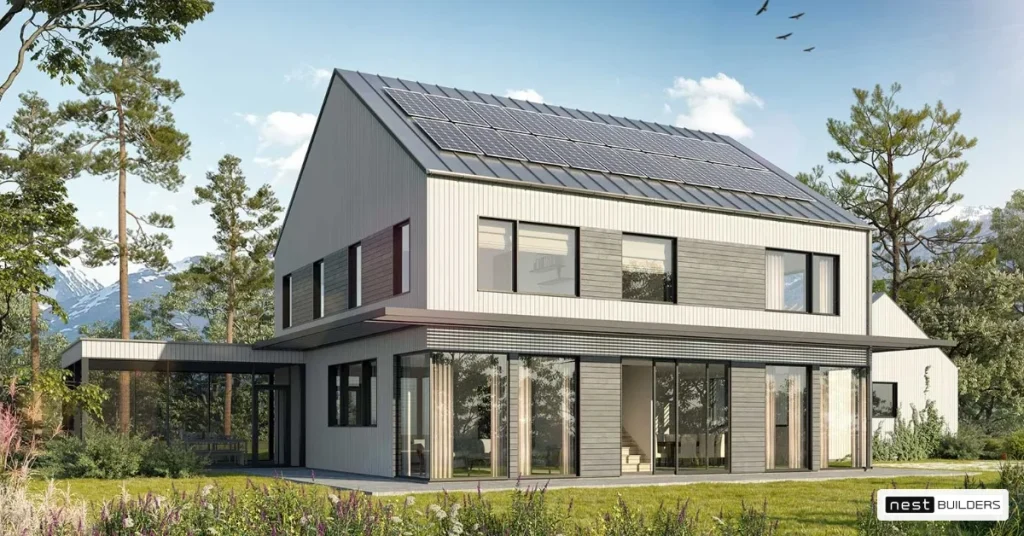
- Solar is still required: new single-family homes need solar PV sized to the home.
- Modular homes follow it too: factory-built homes must meet the same energy standards.
What Title 24 Actually Is
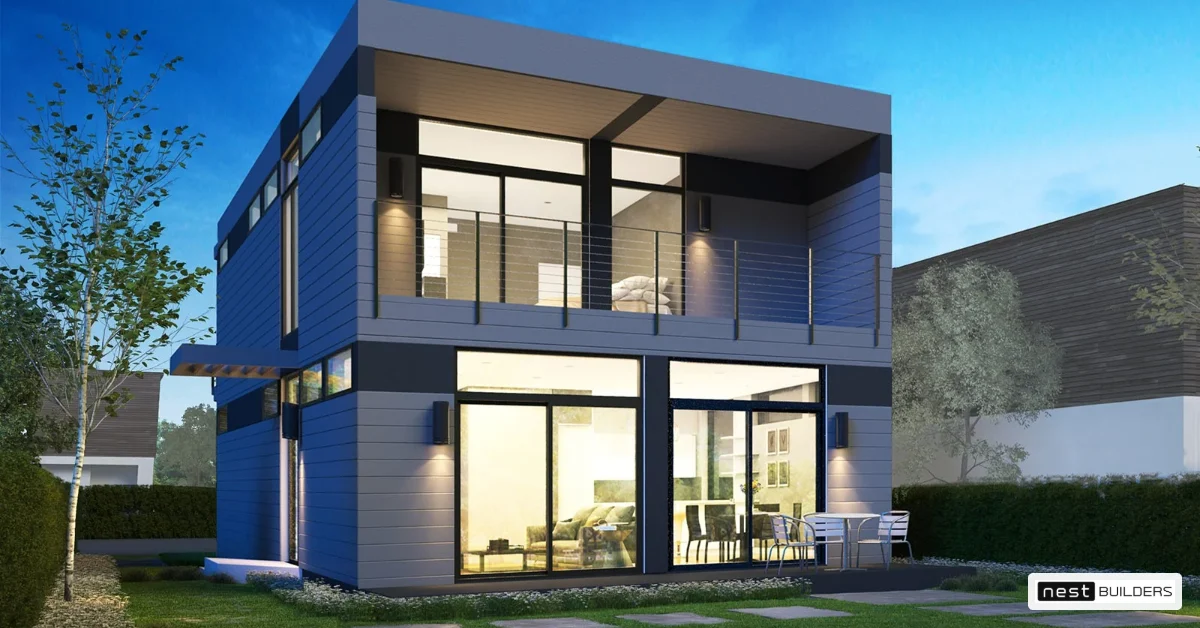
Title 24 of the California Code of Regulations is the full set of building standards for the state. It covers structure, plumbing, electrical, fire safety, green building and more, split into numbered parts. When builders and homeowners say “Title 24,” they usually mean Part 6, the Building Energy Efficiency Standards, also called the California Energy Code.
The California Energy Commission updates the energy code every three years. Each update raises the bar for how much energy a new building may use. The goal is lower utility bills for owners and less pollution for the state.
What Is New in the 2025 Title 24 Energy Code
The 2025 Title 24 California update took effect on January 1, 2026, and local building departments began enforcing it that day. Projects that applied for permits before then stay under the 2022 code. According to the California Energy Commission’s 2025 Energy Code facts, the main changes for new homes are:
- Heat pump baseline for both systems: new homes are measured against a design that uses heat pumps for both space heating and water heating, expanding on the single heat pump baseline of the 2022 code.
- Better windows and walls: updated requirements for high-performance glazing and wall insulation.
- Flexibility: builders may use other approaches if they reach the same efficiency.
The Energy Commission estimates the 2025 code will save Californians $4.8 billion in energy costs over 30 years.
A heat pump baseline does not ban gas outright. It means the energy model is measured against a heat pump design, so homes with gas equipment must make up the difference in other ways, such as more solar or better insulation.
Main Title 24 Requirements for New Homes
Here is what a new single-family home in California typically needs to meet the energy code:
| Area | What Title 24 asks for |
|---|---|
| Heating and cooling | Efficient systems, with heat pumps as the baseline |
| Water heating | Heat pump water heater as the prescriptive baseline |
| Solar | Solar PV system sized to the home’s expected use |
| Insulation | Minimum values for walls, attic and floors, by climate zone |
| Windows | Limits on heat gain and heat loss through glass |
| Air sealing and ducts | Tight ducts and testing to confirm low leakage |
| Ventilation | Whole-house fresh air for indoor air quality |
| Lighting | High-efficacy lighting and controls |
| Electric readiness | Wiring and space for future electric appliances and batteries |
Exact numbers depend on where the home is built, as explained below.
Title 24 California Climate Zones
The energy code splits California into 16 climate zones, and your zone sets the targets for insulation, windows and equipment. A few examples:
- Climate Zone 3: the Bay Area coast, including San Francisco and Oakland, with mild temperatures year-round.
- Climate Zone 7: coastal San Diego, with very mild weather and low heating needs.
- Climate Zone 9: much of the Los Angeles basin, with warm summers.
- Climate Zone 12: Sacramento and parts of the inland Bay Area, with hot summers and cool winters.
- Climate Zone 13: Fresno and the Central Valley, with long, hot summers.
- Climate Zone 16: mountain areas, with cold winters and snow.
The same home design can need different insulation or window specs in each zone. That is why a Title 24 report is prepared for your specific lot, not copied from another project.
Prescriptive vs Performance Paths
There are two ways to show a home meets Title 24.
The prescriptive path is a checklist. If every item meets the listed minimum, the home complies. It is simple but leaves little room for design trade-offs.
The performance path uses state-approved software to model the whole home. The design must use no more energy than a standard reference home. This path allows trade-offs, such as more glass on a view side if you add insulation elsewhere. Most custom homes use the performance path because it gives the designer more freedom.
Either way, a Title 24 energy report is part of your permit set. Plan check will not issue a permit without it.
Why Solar Is Part of Title 24
California has required solar on most new single-family homes since the 2019 energy code. Energy Code Ace, a state-funded training program, notes that with rooftop solar factored in, homes built under the 2019 standards use about 53 percent less energy than those built under the 2016 code.
The solar system is sized to the home’s floor area and climate zone. Batteries are not required for every home, but most new homes must be wired and ready for one, and adding storage can earn credit in the performance path.
What Title 24 Means for Your Budget
Meeting Title 24 California rules adds some upfront cost, mostly in solar, heat pumps, better windows and testing. Those costs are built into every new California home, so they show up in any honest quote. The payback is lower monthly bills for as long as you own the home.
Ask any builder how their price handles Title 24. A low quote that skips energy compliance will cost you later when plan check sends the drawings back. Our guide to custom home building costs shows how these items fit into a full budget.
Title 24 and Modular Homes
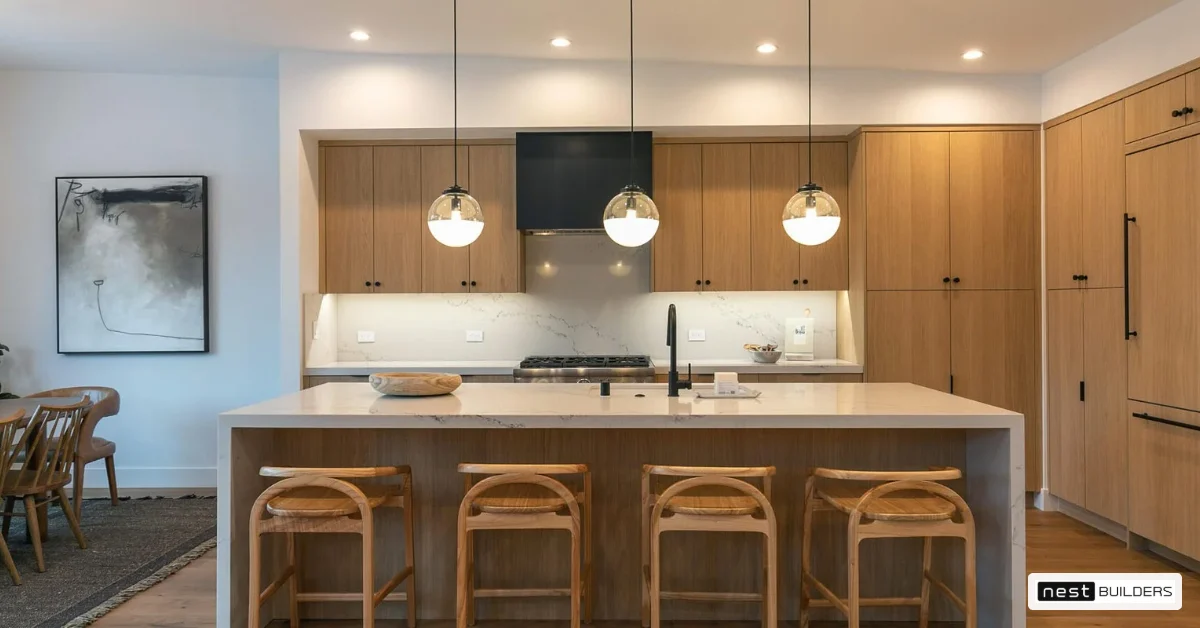
Modular homes in California are factory-built housing and must meet the same state building standards as site-built homes, including the energy code. The factory builds walls, windows, insulation and ducts to the approved plans, and the home is inspected before it leaves.
Factory building can make some Title 24 items easier. Air sealing and insulation are installed indoors, out of the weather, which helps homes pass duct and leakage tests. Solar and final hookups are completed on site after the modules are set. Learn more about our factory-built homes in California.
Field Testing and HERS Verification
Some Title 24 California items must be tested in the field by a certified third-party rater, often called a HERS rater. Common checks include duct leakage, refrigerant charge on heat pumps, airflow and ventilation rates.
These tests happen near the end of construction. If a test fails, the issue must be fixed and retested before final inspection. Building with a team that plans for these checks from the start avoids last-minute surprises.
How We Handle Title 24 on Every Project
Energy compliance works best when it is planned from the first sketch, not added at the end. Our process for Title 24 in California looks like this:
- Confirm the climate zone for your lot at the start of design.
- Model the design with state-approved software as the plan develops.
- Choose equipment such as heat pumps and water heaters that meet the baseline.
- Size the solar system to the home and its expected use.
- Prepare the energy report for the permit set.
- Schedule HERS testing near the end of construction and fix any issues before final.
This keeps the plan check smooth and avoids costly changes late in the build.
Title 24 for Additions and Remodels
The California Energy Commission’s update explains that the 2025 code also covers additions and alterations to existing buildings. If you are adding on or doing a major remodel, parts of Title 24 may apply to your project as well.
Frequently Asked Questions
What is Title 24 in California?
Title 24 is the California Building Standards Code. Part 6, the Energy Code, sets the energy efficiency rules every new home must meet.
When did the 2025 Title 24 Energy Code take effect?
January 1, 2026. It applies to building permit applications submitted on or after that date.
Does Title 24 require a heat pump?
The 2025 code uses heat pumps as the baseline for space and water heating. Other systems are allowed if the home still meets the same efficiency target.
Do new homes in California need solar panels?
Yes. Most new single-family homes must include a solar PV system sized to the home under the energy code.
Do modular homes have to meet Title 24?
Yes. Modular and other factory-built homes in California must meet the same Title 24 standards as site-built homes.
Build a Title 24-Ready Home With Nest Builders
Nest Builders designs, permits and builds custom and modular homes that meet Title 24 California rules and the latest Energy Code. We handle the energy report, solar design and testing as part of one contract. Call (888) 637-8238 or contact our team for a free consultation.
Nest Builders
100 Shoreline Hwy, Suite 100, Bldg B
Mill Valley, CA 94941
Phone: (888) 637-8238
Email: info@nestbuilders.co
Web: https://nestbuilders.co/
License: CSLB# 1117837, HCD# DL1611393
Serving the Bay Area, Sacramento, Los Angeles and San Diego
Hours: Mon to Sun, 9:00 AM to 5:00 PM
Nest Builders is a licensed California home builder (CSLB# 1117837, HCD# DL1611393) that designs, permits and builds custom and modular homes across California. Learn more on our about us page.